
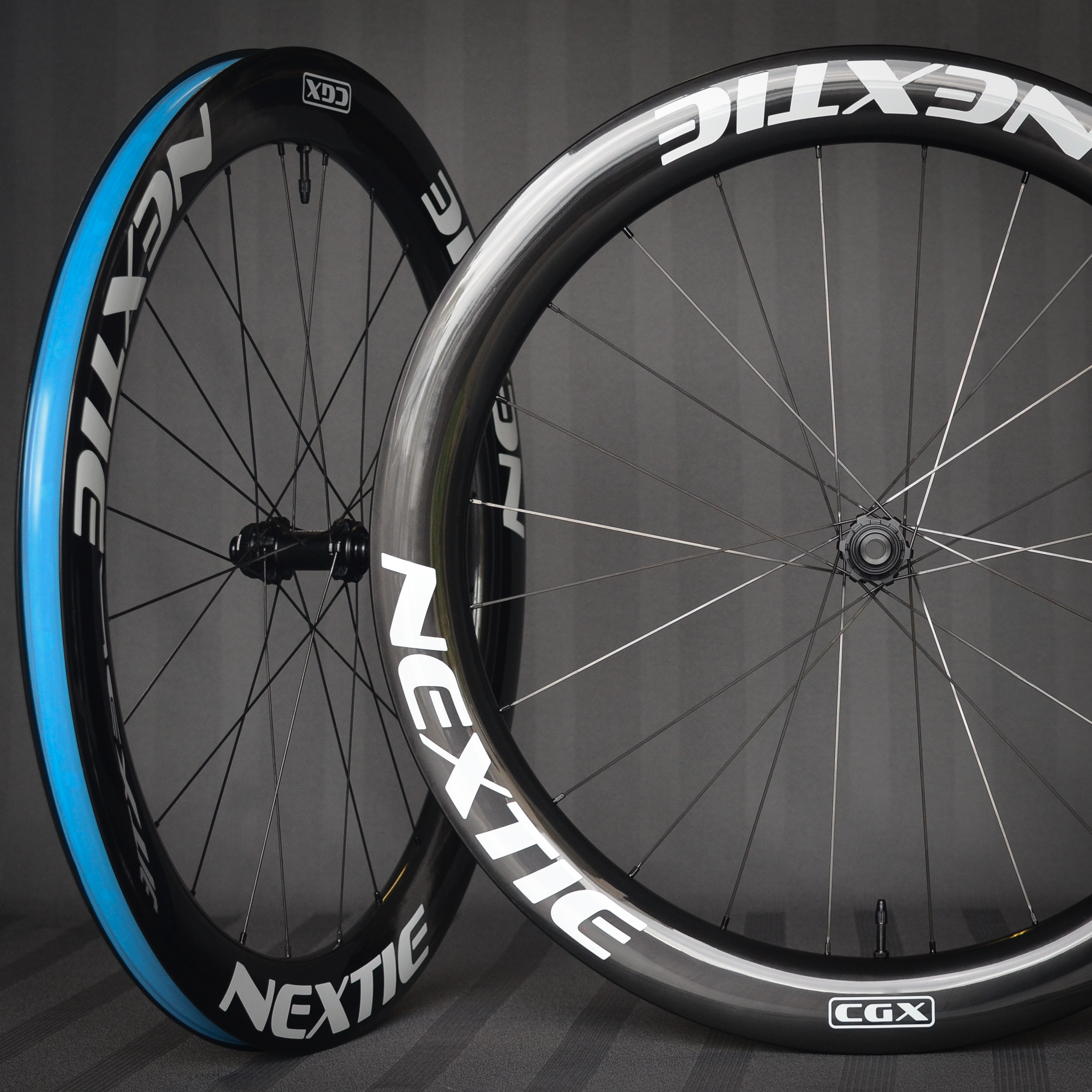
It’s the smart approach
If you’re riding a bike you bought for R35,000 a decade ago, and someone suggests you spend R25,000 on a new ultralight carbon wheelset, your first instinct might be to laugh. That’s 71% of what you paid for the entire bike. Surely that’s over-capitalizing?
Here’s why it’s not, and why it might be the best money you’ll spend on cycling.
Your bike isn’t worth what you paid for it (and that’s actually good news)
Ten years ago, you spent R35,000. Today, that bike is worth maybe R10,000-R15,000 on the secondhand market. But here’s what really matters:
How much value has it delivered?
If you’ve ridden it consistently for a decade, you’ve spent roughly R3,500 per year on this hobby. Not even R300/month.
That’s exceptional value. The bike has proven itself. It fits you.
The geometry works for your body and your riding style.
You know its handling intimately.
The question isn’t whether the bike “deserves” a R25,000 upgrade.
The question is: what’s the smartest way to keep getting that value?
The real cost of “just buying a new bike”
Let’s do the math:
Option 1: New Bike
- Cost: R65,000-R90,000 (for something meaningfully better than what you have now)
- What you get: New frame, new components, new alloy wheels (worth R10k… maybe)
- What you lose: The bike you love, familiarity, dialed-in fit, more expensive insurance
- Total investment: R100,000+
Option 2: Wheel Upgrade
- Cost: R25,000
- What you get: Transformative performance on a proven platform
- What’s new: Ultra-light carbon wheels equivalent to those found on new R150k+ bikes
- What you keep: Everything you love about your current setup
- Total investment to date: R60,000
You’re getting 80% of a new bike’s performance improvement for 40% (or less) of the comparable cost.
New bikes come with the cheapest wheels they can get away with ↓

Why wheels transform everything (Especially on mountain bikes)
After 10 years of high mileage, your wheels are the most worn component on your bike. They’ve absorbed countless impacts, endured years of braking forces, and accumulated bearing wear that robs you of energy on every ride.
Your spokes are fatigued and you’ve probably broken a few. The nipples are corroded and seized. The alloy rims are warped, buckled and scratched.
Better wheels deliver:
Lighter rotating weight = Easier climbing, quicker acceleration
Stiffer construction = Better power transfer, especially when grinding out miles
Stronger rims = Fewer trailside repairs, less maintenance downtime
Modern hub technology = Smoother rolling, less energy wasted over distance, easier to maintain
Tubeless compatibility = Lower pressures, better traction, fewer punctures
These aren’t marginal gains. On a high-mileage mountain bike, this is the difference between fighting your bike and flowing with it.
Upgrading from old, tired 1800g wheels to new sub-1350g wheels is truly a game-changer.
The part that matters twice
Every other component on your bike does one job. Your frame holds things together. Your drivetrain propels you forward. Your brakes slow you down.
Wheels do everything. They’re part of your drivetrain, your suspension, your braking system, and your contact patch with the ground. They affect acceleration, handling, comfort, and rolling resistance simultaneously.
When bike manufacturers build complete bikes, they cut costs strategically. An R80,000 mountain bike might have a R25,000 frame, R20,000 suspension fork, R30,000 in components, and R5,000 wheels, because most buyers won’t immediately notice mediocre wheels.
But you’ll notice new upgraded wheels on every single ride.
This isn’t just about your current bike
Modern wheel standards change slowly. Your new BOOST wheels will fit your next bike. And probably the one after that. If you maintain them properly, they’ll outlast multiple frames and component groups.
You’re not spending R25,000 on wheels for a 10-year-old bike. You’re spending R25,000 on the next decade of riding.
And if you keep those wheels for another 10 years? That’s only R1,250 per year. Exceptional value.
The sustainability Aargument
You’ve kept a bike running for a decade. That’s admirable. Throwing it away for a complete new bike when only one component system is genuinely worn out is wasteful.
A wheel upgrade is a targeted rebuild of the part that matters most. Your frame, fork, drivetrain, and brakes can all keep going—they’re not the weak link. Why replace what isn’t broken?
When does it make sense?
This logic works when:
- You genuinely love your bike and ride it regularly
- The frame and components are still in good working order
- You’re planning to keep riding for years to come
- The wheels are genuinely the limiting factor in performance
- You’re looking to spend your hard-earned money as wisely as possible
It doesn’t work when:
- The frame is cracked or fundamentally compromised
- You’re unhappy with the bike’s geometry or fit
- The rest of the components need replacing anyway
- You’re only riding occasionally
The bottom line
Investing in quality wheels isn’t about what percentage of your bike’s original purchase price they represent. It’s about cost per hour of riding enjoyment.
You didn’t buy a bicycle because of its resale value. You bought it to ride.
A R25,000 wheelset on a bike you love and ride constantly? That’s smart value.
A R80,000 (or R150,000) new bike that sits in your garage because it never quite feels right? That’s over-capitalizing.
Your bike has proven itself over a decade of riding.
Honor that relationship.
Give it the wheels it deserves, and enjoy the next decade of riding.
Important note:
This article uses a R25,000 set of high performance carbon wheels as an example.
Not everyone needs R25,000 carbon wheels. For most people, a high quality set of R15,000 alloy wheels is the perfect fit – which makes the argument to keep your bike and upgrade the wheels even more compelling.
If you’d like to find out exactly what your set of dream wheels will cost, simply click here and get a free, no-obligation estimate.
No responses yet